

What You Need to Know About Outdoor Wood Burners
Outdoor wood burners can be an efficient and cost-effective method of heating homes and businesses. They also help reduce dependence on fossil fuels that are not renewable and contribute to a resilient energy strategy.
Wood that is well-seasoned is crucial for efficient burning. Green or unseasoned wood may contain more moisture that can cause creosote to build up and reduce performance.
Efficient
Outdoor wood burners (OWBs) have been around for many years and offer a very green and efficient method of heating your home. The design of OWBs promotes a slower, cooler fire which results in less efficient combustion, and more smoke and creosote. These unburned fuels can cause health problems and fire hazards. They also degrade the environment.
Additionally the visible smoke plume OWBs produce could cause neighbors to voice their concerns. This may result in DEC (Department of Environmental Conservation), taking enforcement action. This kind of issue could have a negative impact on the value of your property, and may lead to your OWB being closed down.
Crown Royal Stoves has a range of outdoor wood furnaces that are EPA Certified. The Pristine Gasification Series uses technology to maximize combustion efficiency and produce a smokeless, clean burn. This is accomplished by using an air system that is negative pressure that draws fresh, dry, hot clean air in from the bottom of the boiler and pushes it back out through the chimney at a much greater rate than traditional outdoor wood boilers. This is achieved through an innovative design that makes use of a multi-pass, water filled heat exchanger made of 409 Titanium Enhanced Stainless Steel.
If properly utilized, When properly used, understanding can achieve an 99% efficiency in combustion for a smoke-free and cleaner fire. It requires less wood and produces significantly fewer emission than traditional OWBs. It is important to burn only dry, clean, and seasoned wood in order to maximize the performance of your OWB. Seasoning your wood for six months or a year prior to burning is recommended. This helps ensure a better energy efficient and efficient burn.
In addition to maximizing the performance of your wood burner and enhancing its efficiency by executing an "dry burn" every week. This method reduces creosote, increases boiler efficiency and extends the life of your boiler. By adding a stick for removing creosote to your stove each time you fill it up, you can drastically reduce the amount of creosote you use. The product is available through Wisconsin Wood Furnace.
Clean
A wood-burning stove can be very dirty due to burnt soot particles. They are extremely difficult to shift, so if you see any spots of soot build-up on the glass of your stove, wash them right away. Soot that is not removed will become hard and make it more difficult. It is essential to select the right cleaners, but you should also avoid damaging the glass surface by using anything that can scratch it. This could result in a weak spot that will break the glass if it's exposed to high temperatures.
Before you begin cleaning your wood stove, it is important to ensure that it is not lit and completely cool. Also, ensure that the area around it is covered with newspaper. This will stop the ash from leaking and staining surfaces.
It can take up to one year for the seasoning process of your stove to be complete, based on the quality of wood you choose to use. The wood that has been treated with a seasoned finish will not only burn more efficiently, but will also produce less creosote. This is the substance that gets accumulated on your chimney, decreasing its efficiency and posing an hazard for fire. If you're using wood that's not seasoned or are just beginning an outdoor fire fireplace, it's recommended to open the lower backdoor and scoop out the ashes into a non-combustible container each week.
It is also recommended to perform an annual sediment flush on your boiler at a minimum every four years. This is a simple five second flush from the bottom drain valve on your boiler. This will get rid of any sediment that has built up in the system and will ensure that your boiler runs well.
Once you've completed the sediment flush, it's time to clean the exterior of your outdoor wood burner. Before you begin, it's crucial to cover the stove's area with newspaper. It is also helpful to wear gloves and protective eyewear. You should also have a metal ash container along with a scraping tool as well as shovel. You can use a cloth for an insulator to protect the refractory as you scrape away coal and ash deposits.
Easy to Operate
Despite their popularity (they were one of the 1990s' "it" trends, along with mullet haircuts) outdoor wood boilers, also known as outdoor furnaces or outdoor wood hydronic heaters are still often misunderstood. These units are not the same as the well-known EPA wood stoves, which are designed to burn at low temperatures and continuously. They are able to produce more burning and produce more smoke. Some local governments restrict or prohibit their use.
OWBs are best suited to homes with high levels of insulation. The smoldering, dense visible smoke is also a cause of complaints from neighbors and has resulted in many OWBs being shut-down or sued in the past. To ensure that OWBs to operate properly they must be operated using dry wood that has low moisture content. The use of unseasoned or green wood reduces efficiency, leads to creosote to build up and may cut down the life of the burner. Drying wood takes time, and a moisture meter is a must for any homeowner.
Dual-stage wood gasification (OWGB) boilers, on the other hand they employ a three-step procedure that makes use of more energy available in the wood. This results in less smoke. These furnaces are more efficient than conventional OWBs, and can be used for a wide range of fuels. Wood gasification boilers require dry and seasoned wood. Most wood will season within a year, but oak and other species that are hardy may take two years or more to fully season. This is due to less volume of water and a greater density. This allows them retain heat for longer, increasing efficiency and decreasing pollution. The EPA "Burn Wise" website and Cornell Cooperative Extension are great resources for homeowners to learn how to efficiently burn wood to minimize air pollution.
Low Maintenance
Modern outdoor wood furnaces are constructed with the environment in mind. Contrary to indoor wood stoves that emit significant smoke modern outdoor furnaces burn cleanly without the release of excessive carbon monoxide or heat. They also require less wood to provide the same amount of heat as traditional stoves.
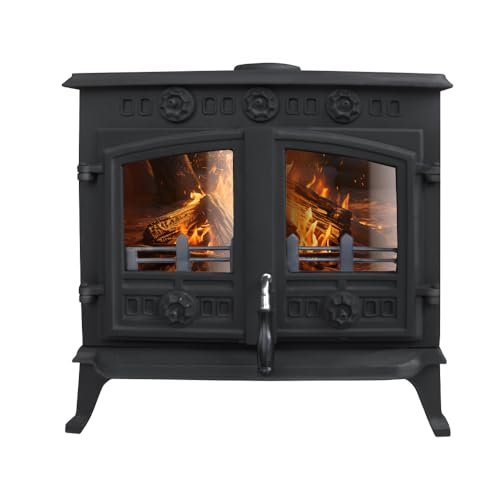
Outdoor wood burners require less maintenance and are more tolerant of wood moisture content than wood burning stoves that are indoor. However outdoor wood burners can only be used with properly treated or "cured" wood. Some types of wood can take up to a full year. It is crucial to make use of a moisture meter to measure the amount of water of your wood prior to loading.
When operating, it is essential to check the system regularly for creosote accumulation. Creosote is an byproduct of combustion that can build up in the chimney and flue in the event that it is not cleaned regularly. It can be eliminated by pouring a creosote removing product into the fire. Regular cleaning of the flue and chimney can remove harmful creosote, and boost efficiency.
In order to attain 99% efficiency in combustion, Crown Royal Stoves designed an innovative air flow technology known as Negative Pressure Gasification. Our EPA certified Pristine Series outdoor wood furnaces make use of this technology to draw air from the bottom, pushing all of the gasses through an insulated water-surrounded secondary combustion chamber, which is easy-clean Turbulators to ensure a smoke-free and pollutant-free burn.